
TL;DR:
- Responsible tourism minimizes environmental and social harm while supporting local communities and ecosystems. Travelers can reduce their impact through pre-trip planning, mindful transportation choices, supporting local businesses, and engaging in regenerative practices. These efforts collectively promote sustainable and respectful travel that benefits places like Halkidiki Sithonia.
Responsible tourism is defined as travel that actively minimizes negative environmental and social impacts while directing real economic benefits to local communities and ecosystems. The Global Tourism Council recognizes it as a practice built on three pillars: environmental stewardship, cultural respect, and community empowerment. These responsible tourism tips go beyond good intentions. They give you a practical framework for making choices that protect the places you love, from the pine-fringed coves of Neos Marmaras to the turquoise bays near Nikiti and Paliouri in Halkidiki Sithonia.
What are the best responsible tourism tips before you leave home?
Pre-trip planning is where responsible travel either succeeds or fails. The decisions you make before boarding a plane or boat shape your entire environmental footprint for the trip.
Avoiding overcrowded destinations is now a mainstream priority. 43% of travelers in 2026 plan to skip overcrowded spots, up 11% from 2025. That shift signals a real cultural change in how people think about where and when they go.
Here are the most effective pre-trip strategies:
- Choose off-peak travel windows. 42% of travelers now plan to visit outside peak seasons. Shoulder months like may, june, september, and october spread tourism pressure and give you a quieter, more authentic experience.
- Book accommodations with verified sustainability certifications. Programs like EarthCheck and Travalyst provide transparent ratings on emissions and environmental practices. More than 33% of travelers plan to stay at certified properties within the next 12 months.
- Pack light and pack smart. Bring a reusable water bottle, cloth bags, and solid toiletries. Each item you carry reduces single-use plastic waste at your destination.
- Research local customs and environmental sensitivities. Knowing which areas are ecologically fragile before you arrive helps you plan routes that avoid damage.
- Assess your transport carbon footprint early. Trains and direct economy flights produce significantly less carbon per passenger than connecting flights or private transfers.
Pro Tip: Use the Travalyst platform to compare sustainability ratings for hotels before booking. A certified property is not just a feel-good choice. It is a verifiable commitment to lower impact.
What are responsible transportation choices during travel?
Transportation is the single largest contributor to a traveler’s carbon footprint. The mode you choose matters more than almost any other decision you make on the road.

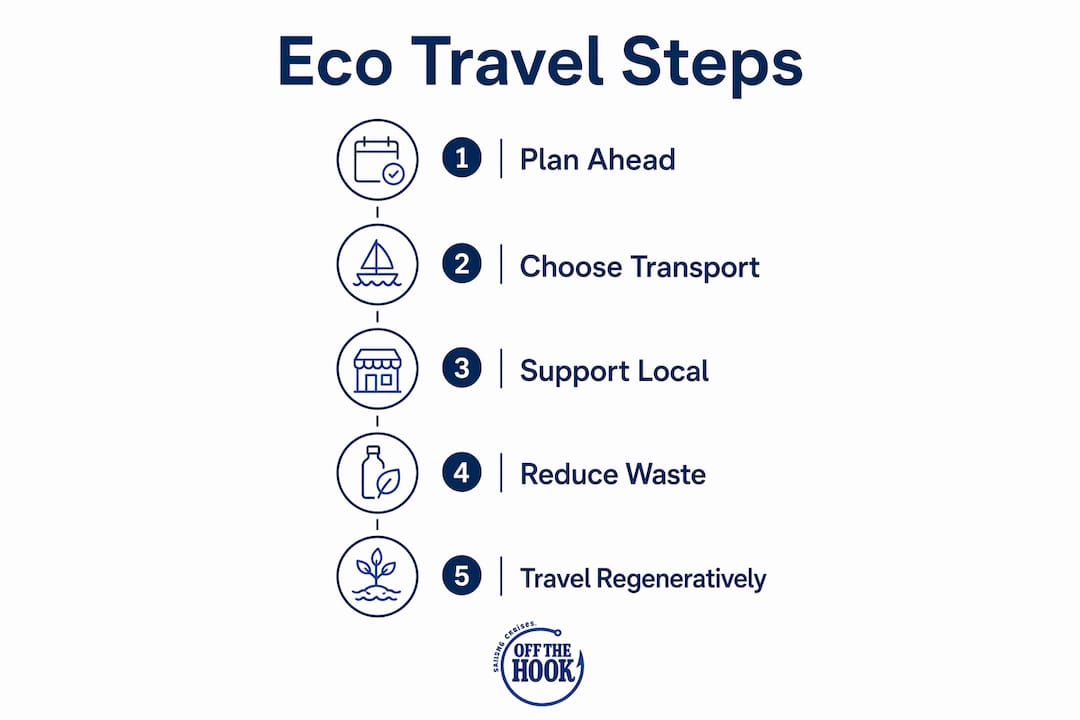
Walking and cycling are the gold standard for short distances. Public transit, including buses, ferries, and trains, cuts per-passenger emissions dramatically compared to private car rentals. Within Halkidiki Sithonia, local ferries and small boats connect coastal villages like Kassandra and Neos Marmaras without the emissions of individual vehicles.
When flying is unavoidable, the class you book changes your footprint significantly. Business and first-class flights carry a higher carbon cost per passenger than economy because each seat occupies far more cabin space. Booking economy and choosing direct routes over connecting flights is the most effective way to fly with less impact.
Practical transportation choices that reduce harm:
- Prefer trains over short-haul flights whenever the journey is under four hours
- Choose direct economy flights when flying is the only option
- Use carbon offset programs as a supplement, not a substitute, for reducing actual emissions
- Rent electric or hybrid vehicles when a car is genuinely necessary
- Walk or cycle for any journey under 30 minutes
Pro Tip: A business-class seat can produce two to four times the carbon of an economy seat on the same flight. Choosing economy on a long-haul route is one of the highest-impact single decisions you can make as a traveler.
How to support local communities and cultural preservation while traveling
Spending your money in the right places is one of the most direct ways to practice ethical tourism. Every purchase is a vote for the kind of tourism you want to exist.
Shopping at locally owned independent stores keeps revenue inside the community. Across generations, travelers are increasing this behavior: 59% of Boomers, 50% of Gen X, 44% of Millennials, and 42% of Gen Z plan to shop local more. That money funds local jobs, local schools, and local culture.
Here is how to make your spending count:
- Eat at family-owned tavernas and local restaurants. Nearly 20% of food-system emissions come from transporting food. Eating locally sourced meals cuts that footprint while supporting the farmers and fishers who feed the community.
- Hire local guides. A guide from Neos Marmaras or Nikiti brings knowledge no app can replicate. They also earn a living wage from your visit.
- Avoid exploitative wildlife attractions. Choosing operators that prioritize conservation protects animal welfare and redirects spending toward ethical experiences.
- Learn basic phrases in Greek. Even a simple “efharisto” (thank you) signals respect and opens doors to genuine connection.
- Ask before photographing people or sacred sites. Consent is a form of cultural respect that costs nothing and means everything.
Pro Tip: Before booking any tour, ask the operator directly: “Are your guides local residents?” and “Does your business employ people from this community?” The answers tell you more than any marketing copy.
What practices help travelers reduce waste and conserve natural resources?
Waste reduction is one of the most visible and immediate ways to protect the places you visit. Many tourist destinations, including coastal areas around Kassandra and Paliouri, lack the infrastructure to handle the volume of waste that peak-season visitors generate.
Packing out everything you bring is non-negotiable. Small items like stickers, wrappers, and bottle caps are the most commonly left behind. They are also the most damaging to marine ecosystems.
Key waste and resource practices to adopt:
- Use reef-safe, mineral-based sunscreen to protect marine life in coastal waters
- Switch to solid shampoo bars, bamboo toothbrushes, and refillable containers
- Take shorter showers and reuse hotel towels to cut water and energy use
- Stay on marked trails to prevent soil erosion and habitat damage
- Refuse souvenirs made from coral, shells, or protected wildlife
| Behavior | Environmental impact |
|---|---|
| Using reef-safe sunscreen | Protects coral reefs and marine biodiversity |
| Packing out all waste | Prevents pollution in areas with limited disposal infrastructure |
| Staying on marked trails | Reduces soil erosion and protects fragile plant habitats |
| Reusing towels and linens | Cuts hotel water and energy consumption significantly |
| Avoiding wildlife souvenirs | Reduces demand that drives illegal harvesting of protected species |
How can travelers go beyond sustainability toward regenerative travel?
Sustainability means doing less harm. Regenerative travel means actively leaving a place better than you found it. That distinction matters more now than ever.
Regenerative travel involves supporting providers who restore ecosystems, employ locals, and invest in community resilience. It is not a niche concept. It is the logical next step after you have mastered the basics of green travel strategies.
Small, consistent actions create large collective impact:
- Join a beach or trail cleanup organized by local conservation groups
- Choose tour operators who fund reforestation or wildlife monitoring programs
- Visit local schools or cultural centers to support educational initiatives
- Buy handmade crafts directly from artisans, not from import shops
- Share your responsible travel choices with other travelers to multiply the effect
Regenerative travel asks one simple question: did this place benefit from my visit? When the answer is yes, you have moved beyond tourism into something closer to genuine stewardship. The best Halkidiki destinations thrive when travelers arrive with that mindset.
Key Takeaways
Responsible tourism works best when travelers combine pre-trip planning, mindful spending, waste reduction, and regenerative actions into one consistent practice.
| Point | Details |
|---|---|
| Plan before you go | Choose off-peak travel, certified accommodations, and lower-carbon transport before departure. |
| Fly economy and direct | Economy class produces significantly less carbon per passenger than business or first class. |
| Spend locally | Eating, shopping, and hiring guides from the community keeps tourism revenue where it belongs. |
| Pack out all waste | Many destinations lack disposal infrastructure, so carry out everything you bring in. |
| Go regenerative | Support operators who restore ecosystems and employ locals to leave destinations better than you found them. |
Why I think most travelers underestimate the power of where they spend
I have spent years sailing the waters around Halkidiki Sithonia, from the quiet coves near Nikiti to the dramatic headlands off Neos Marmaras. What I have seen consistently is this: travelers who care deeply about the environment often focus all their energy on carbon and waste, and almost none on their spending choices.
That is the gap worth closing. When you eat at a family taverna in Neos Marmaras instead of a chain restaurant, you are funding a family’s livelihood directly. When you hire a local skipper who grew up on these waters, you are investing in someone who has a personal stake in keeping them clean and thriving.
Responsible travel is not about sacrifice. It is about selectivity. The travelers I respect most are not the ones who give things up. They are the ones who choose better. They pick the operator who employs locals. They visit the beaches in Halkidiki during shoulder season, when the ecosystem can breathe. They ask questions before they book.
The most meaningful shift I have seen in recent years is travelers treating their trip as a relationship with a place, not a transaction. That mindset changes everything.
— George
Responsible sailing in Halkidiki Sithonia with Halkidiki Boat Sailing
Putting these green travel strategies into practice is easier when you choose operators who share your values from the start.
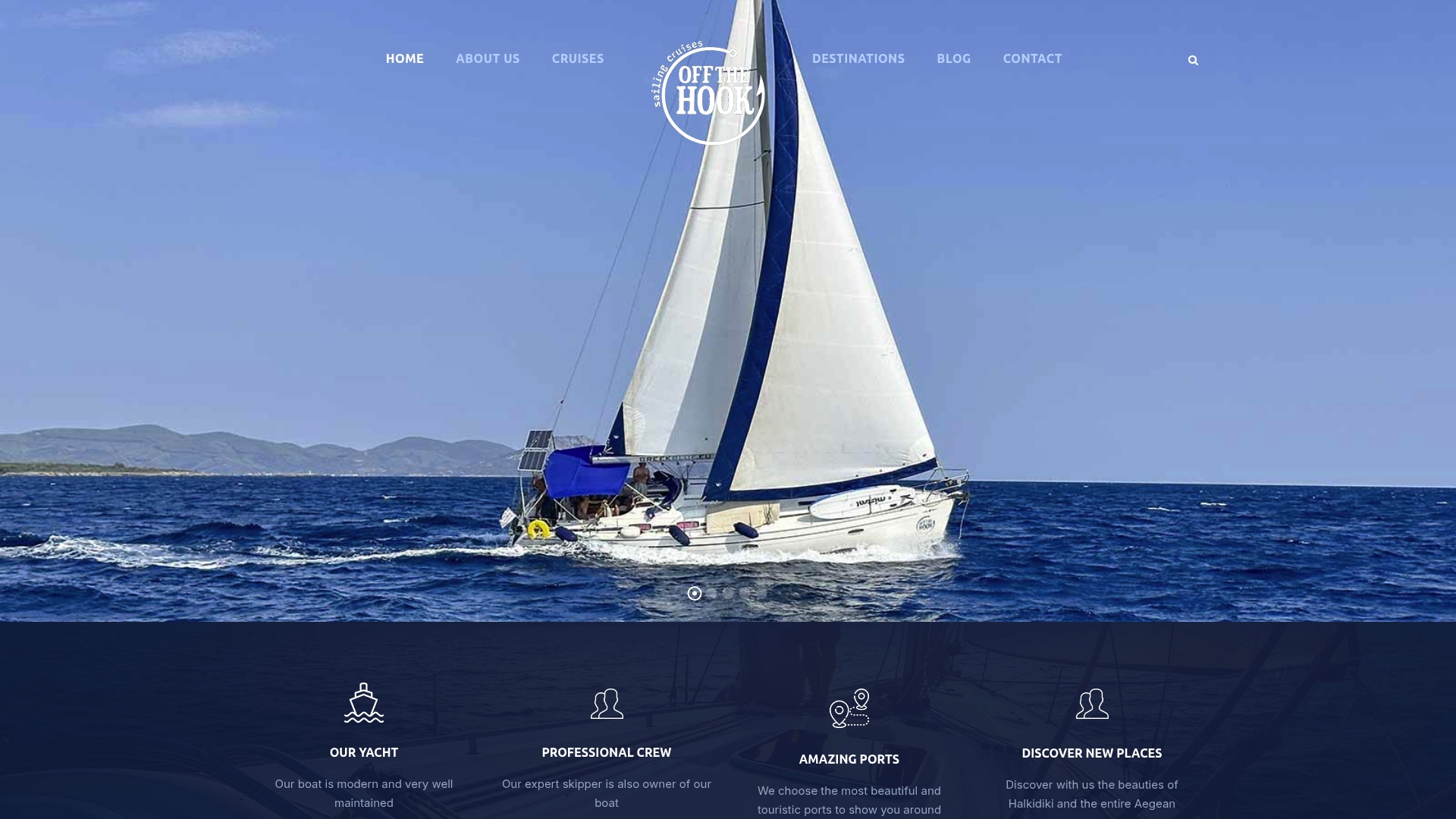
Halkidiki Boat Sailing operates the sailing yacht Off The Hook exclusively in the pristine waters of Halkidiki Sithonia, reaching secluded lagoons near Neos Marmaras, Nikiti, and Paliouri that are inaccessible by land. Every cruise is fully crewed by local professionals who know these waters intimately and have a personal interest in protecting them. The all-inclusive model means no hidden logistics and no waste from unnecessary extras. If you are ready to experience Halkidiki responsibly, the weekly private cruise aboard Off The Hook offers an intimate, low-impact way to explore one of Greece’s most spectacular coastlines.
FAQ
What is responsible tourism?
Responsible tourism is travel that minimizes negative environmental and social impacts while maximizing economic benefits for local communities. It is guided by principles of environmental stewardship, cultural respect, and community empowerment.
How do I choose a sustainable accommodation?
Look for properties with verified certifications from programs like EarthCheck or Travalyst, which provide transparent ratings on emissions and environmental practices. More than 33% of travelers in 2026 plan to prioritize certified accommodations.
Why does flying economy matter for the environment?
Business and first-class seats occupy significantly more cabin space per passenger, which increases the carbon footprint per traveler on the same flight. Booking economy and choosing direct routes is one of the most effective ways to reduce aviation emissions.
What is regenerative travel?
Regenerative travel goes beyond reducing harm by actively improving the destinations you visit through community involvement, ecosystem restoration, and support for local conservation programs. It treats travel as a contribution, not just a consumption.
How can I support local communities while traveling in Halkidiki Sithonia?
Eat at family-owned restaurants, hire local guides from villages like Neos Marmaras or Nikiti, and shop at independent stores rather than tourist chains. Keeping your spending local ensures tourism revenue stays within the community.