

TL;DR:
- Greece is shaping adventure tourism as a blend of outdoor activities, cultural immersion, and wellness experiences. Travelers now prioritize meaningful, learning-focused trips that explore less crowded regions like Halkidiki Sithonia and the Peloponnese. These destinations offer diverse activities and promote sustainable travel while boosting local economies through cultural and eco-tourism.
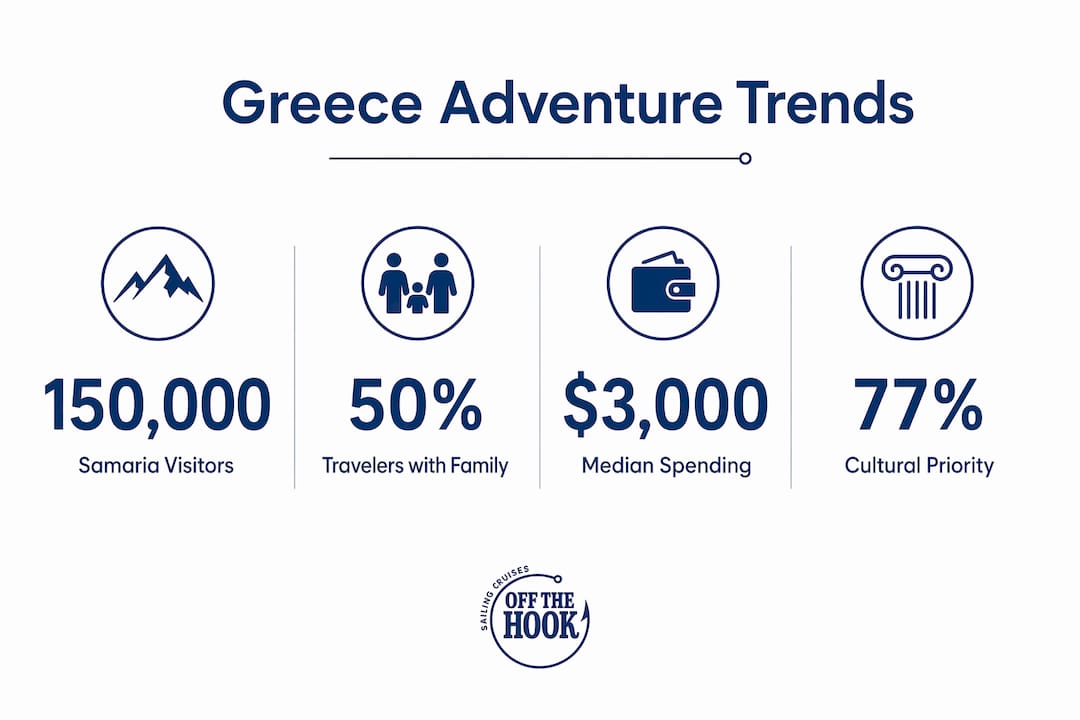
Greece is redefining adventure tourism as a multi-layered experience that blends hiking, sailing, cultural immersion, and wellness into one cohesive trip. The adventure travel trends Greece is producing right now go well beyond adrenaline. 77% of adventure travelers prioritize cultural immersion when booking active trips here, signaling a clear shift toward meaningful, learning-focused travel. Regions like the Peloponnese and Halkidiki Sithonia, including Neos Marmaras, Nikiti, Paliouri, and Kassandra, are drawing travelers who want authentic experiences far from the crowded resort strips. This guide unpacks what is driving those trends and how you can build a trip around them.
What adventure activities are shaping travel trends in Greece?
Greece offers a wider range of outdoor activities than most travelers realize, and the mix is growing fast. Hiking, sailing, sport climbing, e-biking, and culinary travel now define the modern Greek adventure itinerary.
Hiking
The Samaria Gorge receives approximately 150,000 paying visitors annually, making it Europe’s best-documented hiking asset. That volume means timing is everything. Mountain trails in the Peloponnese and the pine-covered ridgelines above Sithonia offer quieter alternatives with equally dramatic scenery.
Pro Tip: Start the Samaria Gorge trail before 7:30 AM to beat the heat and the crowds. Arrange your ferry transfer in advance, because the trail ends at the Libyan Sea and there is no road back.
Sailing and coastal exploration
Sailing around the Greek coastline gives you access to coves and lagoons that no road can reach. Halkidiki Sithonia is a standout example. The three peninsulas create a protected sailing corridor with turquoise water, pine-backed beaches near Neos Marmaras and Paliouri, and almost no commercial traffic. A crewed private sailboat puts you in places that day-trippers simply cannot get to.
Sport climbing and e-biking
Kalymnos transformed its economy by developing over 2,500 sport climbing routes, expanding its tourism season from 2 to 10+ months. That is the clearest proof that adventure tourism can rebuild a destination from the ground up. E-bike rental markets, particularly in Paros, have grown rapidly, reflecting rising demand for accessible cycling among diverse traveler demographics.
-
Hiking: Samaria Gorge, Peloponnese mountain trails, Sithonia ridgelines
-
Sailing: Halkidiki Sithonia, Lefkada, Folegandros coastlines
-
Sport climbing: Kalymnos (2,500+ routes)
-
E-biking: Paros, Lefkada, emerging routes in Sithonia
-
Culinary travel: overtook traditional hiking as a leading consumer trend in 2025
How are traveler preferences shaping adventure tourism in Greece?
Modern adventure travelers are not chasing one big thrill. They want a trip that tells a story, combining physical challenge with cultural depth and genuine local connection.
50% of adventure travelers now favor trips with partners or family members, shifting away from solo travel. That group dynamic changes what a good itinerary looks like. It needs variety, pacing, and moments that work for different energy levels on the same day.
42% of adventure travelers strongly prefer tours led by local experts to gain cultural and historical insights. A local guide at Meteora or along the Greek Riviera does not just explain what you are seeing. They connect the landscape to living history, food traditions, and stories that no guidebook carries.
The preference for quieter destinations is also accelerating. Adventure travelers favor mountain villages in Epirus and the Peloponnese, opting for slow travel with extended buffer times due to rugged terrain and local logistics. The same pattern is emerging in Halkidiki Sithonia, where villages like Nikiti offer a pace that coastal resorts cannot replicate.
-
Choose group-friendly itineraries. Build in activities that work at different fitness levels, from easy coastal walks to full-day hikes.
-
Book a local expert guide. They provide cultural context that transforms a scenic walk into a genuine learning experience.
-
Prioritize quieter regions. Neos Marmaras, Nikiti, and Paliouri in Sithonia deliver authentic encounters without the crowds of the Cyclades.
-
Integrate gastronomy. A cooking class or market visit adds cultural texture to any active itinerary.
Pro Tip: When traveling with a multigenerational group, schedule the most physically demanding activity for day two or three, not day one. Your group needs a day to settle in before tackling a gorge hike or a full sailing day.
Which Greek regions are emerging as adventure hotspots?
Greece’s geography is so varied that three completely different adventure experiences can exist within a two-hour drive of each other. Three regions stand out right now.
The Peloponnese is the most developed adventure destination on the mainland. The AdventureWEEK Peloponnese 2026 event brought together international operators and media, solidifying the region’s profile as a global adventure tourism stage. Sea kayaking in Kardamyli, mountain hiking in the Taygetos range, and gastronomic workshops in Kalamata can all fit into a single week. Blending coastal kayaking in Kardamyli with mountain hiking offers transitions that island hopping rarely provides.
Halkidiki Sithonia is the most underrated adventure destination in northern Greece. Neos Marmaras sits at the heart of Sithonia’s coastline and serves as a natural base for sailing adventures and beach exploration. Paliouri anchors the southern tip with dramatic cliffs and clear water. Nikiti offers a traditional village atmosphere that feels genuinely local. The best beaches in Halkidiki include stretches that are only reachable by boat, which makes sailing the most rewarding way to experience the peninsula.
Lefkada and Folegandros round out the island options. Both attract Gen Z and multigenerational travelers seeking less crowded alternatives to Santorini and Mykonos, with strong hiking trails and accessible sea experiences.
| Region | Standout activities | Crowd level | Best for |
|---|---|---|---|
| Peloponnese | Kayaking, hiking, gastronomy | Moderate | Multi-activity cultural trips |
| Halkidiki Sithonia | Sailing, beach hiking, snorkeling | Low to moderate | Families, couples, groups |
| Lefkada | Kitesurfing, hiking, sailing | Moderate | Active couples, Gen Z travelers |
| Folegandros | Hiking, sea swimming, slow travel | Low | Solo and multigenerational travelers |
| Kalymnos | Sport climbing, diving | Low to moderate | Climbers and water sports enthusiasts |
What economic and sustainability impacts come with adventure travel growth?
Adventure tourism in Greece delivers measurable economic benefits that standard beach tourism does not. Adventure travelers spend a median of about US$3,000 for an 8-night itinerary, with 76% of that spend retained by local suppliers. That retention rate is what separates adventure tourism from mass tourism, where spending often leaks to international hotel chains and tour operators.
Kalymnos is the clearest case study. By building a sport climbing infrastructure, the island extended its tourism season from 2 months to over 10 months. That means local restaurants, accommodations, and transport providers earn year-round income instead of surviving on a summer spike.
Sustainable adventure tourism in Greece increasingly links local communities with international travel markets. The AdventureWEEK Peloponnese model, coordinated with the Adventure Travel Trade Association (ATTA) and local bodies, shows how community integration creates long-term economic and cultural benefits.
“Integrating nature, culture, and gastronomy into storytelling is shaping the future of adventure tourism in Greece, as travelers seek multidimensional experiences that go beyond the physical activity itself.”
Responsible practices that support this model include:
-
Booking with local operators who employ local guides and source food locally
-
Choosing accommodations in village guesthouses rather than resort hotels
-
Traveling in shoulder season (april through june, september through october) to spread economic benefit beyond peak summer
-
Selecting tours that include a cultural or educational component alongside the physical activity
How do you plan an immersive adventure trip in Greece?
The best Greek adventure itineraries follow a principle of contrast, progression, and emotional variety, mixing coastal, mountain, and wellness experiences to maintain engagement across the full trip. A week that starts with a gorge hike, moves to a sailing day, and ends with a village cooking class feels complete. A week of only hiking feels exhausting.
-
Start with a physical anchor. Choose one signature activity, such as a multi-day sailing charter in Halkidiki Sithonia or a gorge hike in Crete, and build the rest of the itinerary around it.
-
Add cultural contrast. Pair every high-intensity day with a slower cultural experience the following morning. A museum visit or a local market walk resets your energy and deepens the trip’s meaning.
-
Plan for mainland logistics. Driving through mountainous regions like the Peloponnese demands allowance for longer travel times due to rugged, winding roads. Add 30–40% more time than a map suggests.
-
Book local expert guides early. Local expert-led tours fill quickly in peak season, especially for specialized experiences like archaeological site tours or private sailing charters.
-
Include a wellness component. A morning yoga session, a thermal spa visit, or even a long lunch at a family taverna counts. Adventure itineraries that ignore rest produce tired, disengaged travelers by day four.
For Halkidiki Sithonia specifically, the ideal base is Neos Marmaras. From there, you can reach top cruise spots along all three peninsulas within a single sailing day, and the village infrastructure supports both active and relaxed travel styles.
Key Takeaways
Greece’s adventure travel trends point clearly toward immersive, multi-activity experiences that combine physical challenge, cultural depth, and local economic engagement in less crowded regions like Halkidiki Sithonia and the Peloponnese.
| Point | Details |
|---|---|
| Cultural immersion drives bookings | 77% of adventure travelers prioritize cultural experiences, not just physical activities. |
| Local spending stays local | 76% of adventure traveler spend is retained by local suppliers, benefiting communities directly. |
| Group travel is the new norm | 50% of adventure travelers now travel with partners or family, requiring varied, paced itineraries. |
| Halkidiki Sithonia is underrated | Neos Marmaras, Nikiti, and Paliouri offer authentic adventure with low crowd levels. |
| Contrast builds better trips | Mixing hiking, sailing, and cultural moments creates more satisfying itineraries than single-activity trips. |
What Greece’s adventure travel shift really means
Greece has always had the geography for world-class adventure. What has changed is the traveler. The people booking these trips now want to feel something beyond the physical effort. They want to understand where they are, who built it, and what it tastes like.
I have watched this shift happen in real time around Halkidiki Sithonia. Travelers who book a sailing day around the Sithonia peninsula do not just want to swim in turquoise water. They want to know why the pine forests come right down to the shoreline, why certain coves have no name on any map, and what the fishermen in Neos Marmaras are pulling in that morning. That curiosity is the defining characteristic of the modern adventure traveler.
The challenge for anyone planning these trips is energy management. I see itineraries that stack a gorge hike, a full sailing day, and a village tour into three consecutive days. By day three, nobody is absorbing anything. The best trips I have seen build in deliberate slowness. A morning with no plan. A long lunch that turns into a two-hour conversation with a local family. Those moments are not wasted time. They are the moments travelers remember most.
My honest recommendation: stop treating the quieter regions as a compromise. Halkidiki Sithonia, the Peloponnese, Folegandros. These are not backup options when the Cyclades feel too crowded. They are the places where Greece’s adventure travel identity is actually being built right now. The travelers who find them early are the ones who come back.
— George
Private sailing in Halkidiki Sithonia with Halkidiki Boat Sailing
Halkidiki Sithonia puts the adventure travel trends described in this guide within reach of a single sailing day. Halkidiki Boat Sailing operates the private sailboat“Off The Hook” from the waters around Neos Marmaras, giving you direct access to secluded lagoons, pine-backed coves near Paliouri, and pristine beaches that no road connects to.
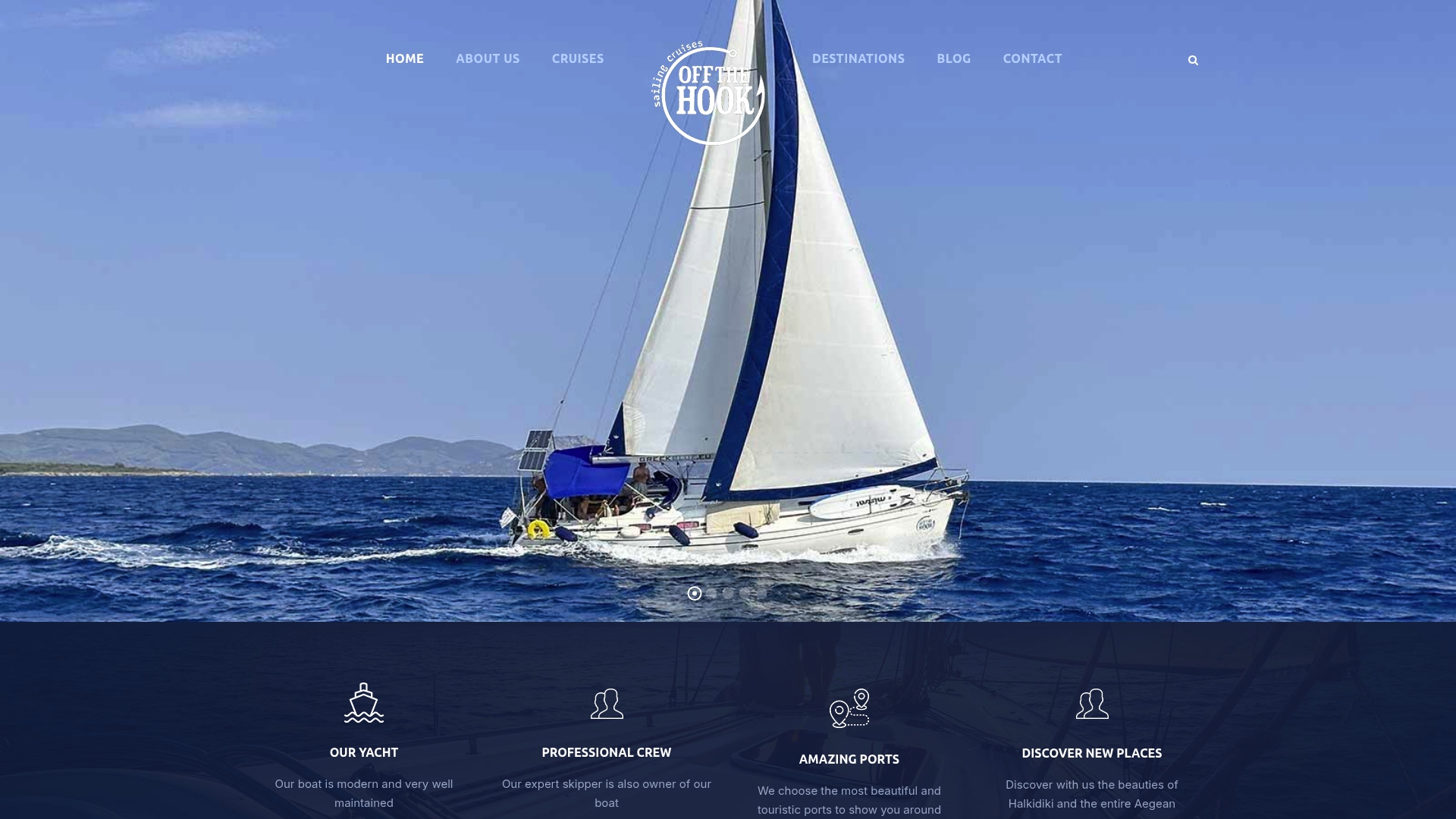
Every cruise is fully crewed and all-inclusive, covering skipper, fuel, snorkeling gear, refreshments, and snacks. You bring the curiosity. The weekly private cruise is the most immersive option, combining multi-day coastal exploration with the kind of unhurried pace that makes Sithonia unforgettable. For a shorter introduction, the sunset private cruise delivers four hours of golden Aegean light and calm water. George Dimitriadis, the expert local skipper behind Off The Hook, brings the cultural context that turns a sailing trip into a genuine adventure.
FAQ
What are the top adventure activities in Greece right now?
Hiking, sailing, sport climbing, e-biking, and culinary travel are the leading outdoor activities in Greece. Kalymnos leads for climbing, Halkidiki Sithonia for sailing, and the Peloponnese for multi-activity cultural itineraries.
Which Greek regions are best for adventure travelers in 2026?
The Peloponnese, Halkidiki Sithonia (including Neos Marmaras, Nikiti, and Paliouri), Lefkada, and Folegandros are the strongest emerging adventure destinations, offering authentic experiences with lower crowd levels than the major Cycladic islands.
How much do adventure travelers typically spend in Greece?
Adventure travelers spend a median of approximately US$3,000 for an 8-night itinerary in Greece, with 76% of that amount retained by local suppliers rather than international chains.
Why do adventure travelers prefer local expert guides in Greece?
42% of adventure travelers strongly prefer local expert-led tours because guides provide cultural and historical context that transforms a scenic activity into a meaningful experience, particularly in complex landscapes like Meteora or coastal Halkidiki.
When is the best time to plan an adventure trip to Greece?
Shoulder season, specifically april through june and september through october, offers the best combination of mild weather, lower crowds, and open local businesses. These months also spread economic benefit to communities beyond the peak summer rush.