

Halkidiki’s sea sits generally in the mid to high 20s Celsius through the peak summer stretch, warm enough for comfortable swimming across the whole peninsula. Neos Marmaras and Nikiti are currently running toward the warmer end of that range, making them the better bets today if you want the most swimmable water. Paliouri and Kassandra trail slightly cooler but still sit well within comfortable territory for most swimmers.
TL;DR:
- Water temperatures in Halkidiki currently range from the high 20s Celsius in Neos Marmaras and Nikiti to the low to mid-20s in Paliouri and Kassandra, all comfortably above 22°C.
- The sea remains swimmable and warm enough for most visitors from June through September, with peak comfort typically in July and August when temperatures reach up to 27°C.
- Early morning and late October outings benefit from cooler but still manageable water temperatures, especially when winds and waves stay low.
- Check wave height, wind direction, and current water temperature against seasonal averages on the day of your trip for the best sailing or swimming experience.
Table of Contents
- What Is the Sea Temperature in Halkidiki Today?
- What Are the Monthly Average Sea Temperatures in Halkidiki?
- When Is the Best Time to Swim and Sail in Halkidiki?
- How Do You Read Sea Temperature and Wave Forecasts?
- How Sea Temperature Shapes an Off The Hook Sailing Day
- What the Data Actually Tells You About Timing a Trip
- Book the Right Off The Hook Trip for Today’s Conditions
- Where to Check Live Halkidiki Sea Data
- Sources
- FAQ
What Is the Sea Temperature in Halkidiki Today?
Real-time readings across Halkidiki’s coastline cluster tightly right now, which is typical for a shallow, sun-warmed body of water like the Aegean’s northern gulfs. Current spot checks show the warmest resorts touching roughly the high 20s Celsius, while a handful of Sithonia locations run a few degrees cooler.
Here’s how the main resorts compare today:
- Neos Marmaras: among the warmest readings on the peninsula, hovering near the top of the current range
- Nikiti: close behind, comfortably warm with calm, shallow entry points
- Paliouri: slightly cooler, reflecting its more open exposure toward the Kassandra coastline
- Kassandra: mid-range readings, consistent with its position on the westernmost of Halkidiki’s three “legs”
Comfortable for swimming generally means anything above 22°C, and anything past 24°C starts to feel genuinely warm rather than just tolerable. At today’s readings, every named resort clears that bar with room to spare.
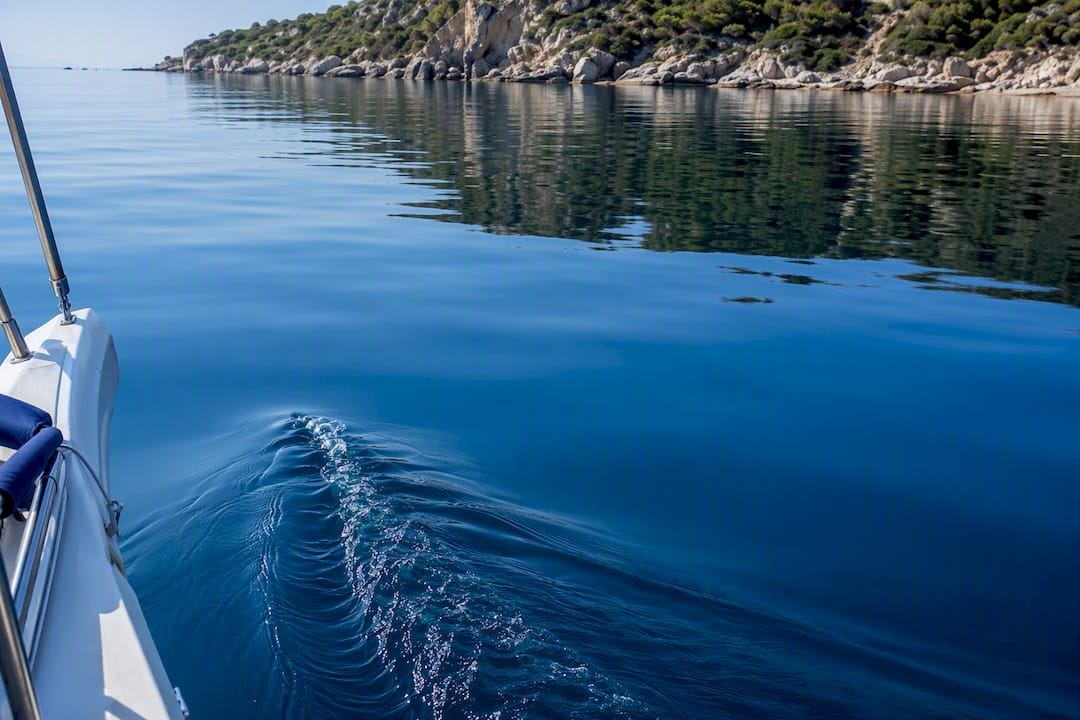
Wave conditions matter as much as temperature for how enjoyable a swim feels. Windfinder’s buoy data for the Halkidiki area often shows summer wave heights as low as 0.04 to 0.23 meters on sheltered stretches, meaning flat, glassy water rather than the chop you’d get on an exposed coastline.
What Are the Monthly Average Sea Temperatures in Halkidiki?
Spring gets Halkidiki’s water moving from cold to comfortable fast, and that shift shapes the whole travel calendar. Seasonal data puts spring averages (April to May) in the low 20s Celsius, summer (June to September) peaking in the mid-20s, and October settling back to around 20 to 22°C.

July and August are the only months that consistently hit the 24 to 27°C sweet spot, which is exactly why they draw the biggest crowds. June and September deliver nearly the same comfort at a fraction of the beach traffic, and snorkelers benefit from the same visibility without fighting for space near the shoreline.
When Is the Best Time to Swim and Sail in Halkidiki?
Halkidiki’s swimming and sailing season runs from May through October, a window shaped by how slowly the Aegean heats up and cools down, similar to the seasonal patterns discussed in The Best Time of Year for Sailing in Barcelona’s Mediterranean Waters. May opens the season with water that’s still brisk but swimmable on a sunny afternoon. June through August is peak season, with warm water, long daylight, and the calmest average seas of the year. September and October hold onto much of that summer warmth, since seawater releases heat far slower than it absorbs it, a lag that keeps late-season swimming more comfortable than most first-time visitors expect.
Wetsuit guidance shifts with those shoulder months. May swimmers and early-morning sailors often appreciate a light shorty wetsuit, particularly around exposed spots like Poseidi, while July and August require nothing but a swimsuit. By late October, a wetsuit becomes genuinely useful again for anyone staying in the water longer than a quick dip.
Before any swim or sail, run through this quick checklist:
- Check the current wind direction and strength, since a northerly can turn a calm bay choppy within an hour.
- Confirm wave height is under roughly 0.5 meters for comfortable small-boat conditions.
- Look at water visibility, especially if snorkeling is on the agenda.
- Note the time of day, since mid-morning to early afternoon typically offers the clearest surface conditions.
Pro Tip: If you’re deciding between a June and a September trip, September often wins on comfort. Water temperatures stay close to peak summer levels while beaches and coves are noticeably quieter.
How Do You Read Sea Temperature and Wave Forecasts?
Three resources cover almost everything you need before heading out. The HNMS marine charts show significant wave height and direction across the North Aegean, which is the first thing to check before any full-day sail. Windfinder’s buoy forecast for the Chalkidiki area tracks wind speed and wave trends hour by hour, useful for spotting a calm morning window even on a breezier day.
For temperature specifically, look for services that show the current reading alongside a 10-day trend and historical monthly averages. That context matters: a single day’s reading can run a degree or two off the seasonal norm, and knowing whether today sits above or below average helps you judge whether tomorrow will feel similar. Cross-checking wave height against Halkidiki Boat Sailing’s own Aegean weather guide adds local interpretation that raw numbers alone don’t give you.
- HNMS: official wave height and direction maps for the North Aegean
- Windfinder: hourly wind and wave trend data from the Chalkidiki virtual buoy
- Sea-temperature trackers: current °C reading, 10-day trend, and historical averages side by side
How Sea Temperature Shapes an Off The Hook Sailing Day
Water temperature does more than decide whether swimming feels good. It shapes which kind of trip makes sense on a given day. Warm, calm mornings in the 24 to 27°C range are ideal for snorkeling stops, since clearer surface conditions and comfortable water encourage guests to spend real time in the sea rather than a quick dip. Cooler or breezier days shift the focus toward cruising and sightseeing along Sithonia’s sheltered coves.
- Neos Marmaras and Nikiti offer some of the warmest, calmest water for snorkeling stops on a full-day route
- Paliouri and Kassandra work well for scenic cruising, especially when wind picks up from the north
- Sunset sails suit almost any evening from May through October, since sea temperature matters less once swimming isn’t the plan
Every trip aboard Off The Hook comes fully crewed, with a local skipper, snorkeling gear, and refreshments included, so the only real decision is which conditions match the day you want.
What the Data Actually Tells You About Timing a Trip
Most travel advice treats sea temperature as a single seasonal number, warm in summer, cold in winter, and leaves it there. That flattens what’s actually a more useful signal. The gap between June and August water is smaller than most people assume, often just two or three degrees, while the gap between a calm morning and a windy afternoon can be the difference between a great snorkel and a rough ride regardless of the thermometer.
The conventional wisdom to “come in July or August for the warmest water” undersells September, where temperatures stay close to peak while wind patterns tend to settle. If I had to prioritize one thing for someone planning a trip, it wouldn’t be the monthly average at all. It would be checking wave height and wind direction the morning of, since that number changes hour to hour in a way the seasonal chart never captures. Comfortable swimming water is common across Halkidiki for five months of the year. Calm seas on the specific day you’re free are the rarer thing worth planning around.
— George
Book the Right Off The Hook Trip for Today’s Conditions
Halkidiki Boat Sailing is the alternative to guessing your way through beach conditions or booking a generic tour bus excursion. When the water’s warm and calm, as it typically is from June through September, a snorkeling-focused full-day charter makes the most of clear visibility around Sithonia’s coves. On breezier days or cooler shoulder-season evenings, the four-hour sunset cruise delivers the same relaxed, all-inclusive experience without depending on swim-friendly water at all.
Every trip includes a professional skipper, fuel, snorkeling gear, and refreshments, with no separate logistics to arrange. Check current dates and book your preferred trip type directly on the Off The Hook booking page before the warmest weeks fill up.
Where to Check Live Halkidiki Sea Data
A few sources cover everything worth checking before a swim or sail:
- HNMS marine charts: official wave height and direction data for the North Aegean region
- Windfinder Chalkidiki buoy: hourly wind speed and wave trend forecasts
- Sea-temperature trackers: current readings alongside historical monthly averages for context
Check wave height and wind direction first, then confirm the current water temperature against the seasonal average before finalizing plans.
Sources
- Water Temperature in Chalkidiki (Greece)
- Current sea water temperature in Halkidiki
- Wind, waves & weather forecast Chalkidiki Virtual Buoy – Windfinder
FAQ
Which Greek Island Has the Warmest Sea?
Warmth varies by region and season, but southern Greek islands like Crete often report slightly higher averages than northern areas. Halkidiki, while on the mainland rather than an island, competes closely in summer with readings up to 27.8°C at its warmest resorts.
How Warm Is the Sea in Greece Right Now?
It depends heavily on region and time of year, but Halkidiki currently sits in the mid to high 20s Celsius, with Neos Marmaras and Nikiti running toward the warmer end of that range.
What Month Can You Swim in Greece?
Swimming season generally runs May through October, with July and August offering the warmest, most reliable conditions across most coastal regions including Halkidiki.
Is Halkidiki Still Warm in October?
Yes. October averages around 20 to 22°C in Halkidiki, warm enough for a comfortable swim on a sunny afternoon and ideal for a quieter sunset sail with fewer crowds.