
TL;DR:
- Greek sailing holidays offer access to over 6,000 islands and 13,676 km of coastline, allowing for endless unique routes. The Ionian and Halkidiki regions are ideal for beginners due to their calm waters, while the Cyclades challenge experienced sailors with strong Meltemi winds. Timing is crucial, with June and September providing the best conditions, and vessel choice depends on group size and sailing experience.
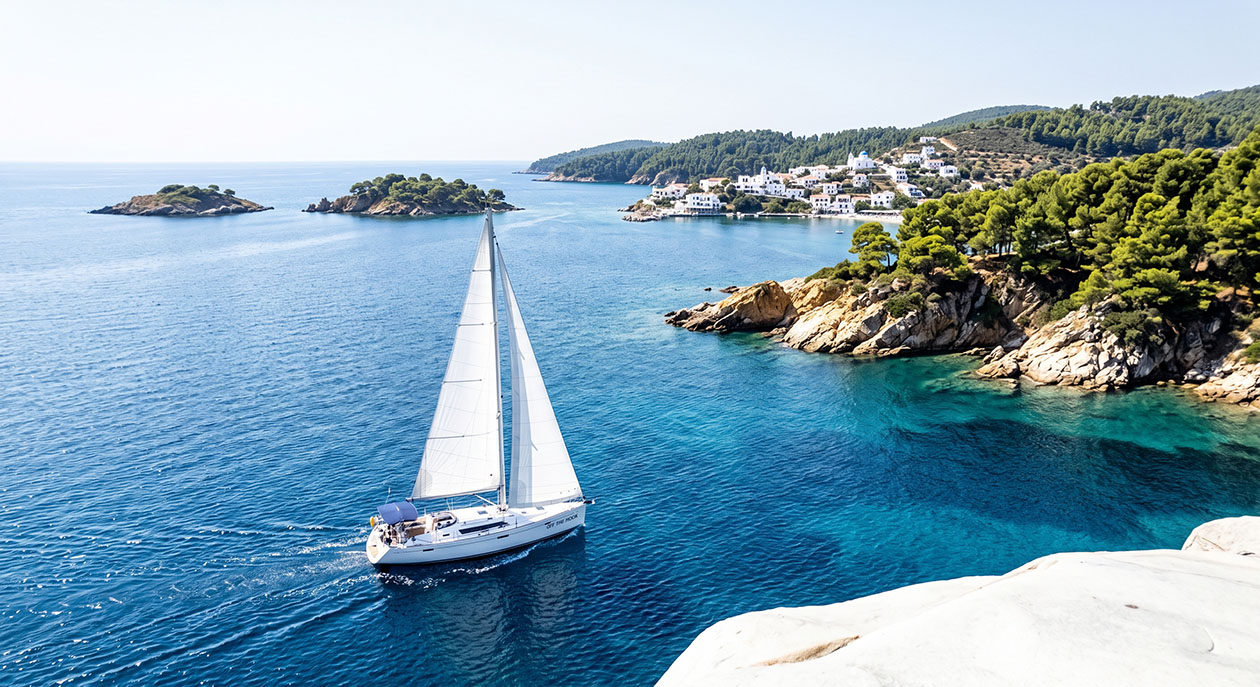
Greek sailing holidays are the most varied maritime experiences in the Mediterranean, giving you access to over 6,000 islands and more than 13,676 km of pristine coastline in a single country. That scale means you can sail a different route every year and never repeat yourself. Greece offers five distinct sailing regions, each with its own wind patterns, scenery, and character. Whether you want calm turquoise bays in Halkidiki Sithonia or the exhilarating open-water challenge of the Cyclades, the right trip comes down to matching your region, vessel, and timing. Halkidiki Boat Sailing specializes in exactly this kind of tailored, intimate experience on the northern Aegean coast.
1. What are the best Greek sailing regions?
Greece divides naturally into five main sailing areas, and each one feels like a different country on the water.
** The Ionian Sea** sits on Greece’s western coast and offers the calmest conditions of any Greek region. Gentle Maistros winds and flat water make it ideal for families, first-time sailors, and anyone who wants to focus on scenery rather than sail trim. The lush green islands of Corfu, Lefkada, and Kefalonia rise dramatically from the sea, and the anchorages are quiet even in summer.
⚓ The Saronic Gulf is the most accessible region for travelers flying into Athens. You can reach Aegina in under two hours from the capital’s marinas, making it perfect for short sailing trips in Greece without a long transfer. Hydra, Poros, and Spetses each have distinct personalities, from car-free cobblestone streets to pine-covered hillsides.
** The Cyclades** demand respect. Meltemi winds blow 15–30 knots mid-summer across this region, creating conditions that reward experienced sailors but can overwhelm beginners. The reward is iconic: white-washed villages, volcanic caldera views at Santorini, and the vibrant energy of Mykonos.
️ The Dodecanese stretch along Turkey’s coast and offer a mix of Byzantine history, medieval castles, and warm, sheltered bays. Rhodes, Kos, and Patmos anchor the route, with dozens of smaller islands in between.
** Halkidiki Sithonia** on the northern Aegean is Greece’s best-kept sailing secret. Spots like Neos Marmaras, Nikiti, Paliouri, and Kassandra combine emerald pine forests that run straight to the shoreline with crystal-clear water and authentic local culture. The anchorages here are quieter than anywhere in the Cyclades, and the scenery is genuinely breathtaking.
| Region | Wind Conditions | Difficulty | Best For |
|---|---|---|---|
| Ionian Sea | Gentle Maistros | Beginner | Families, first-timers |
| Saronic Gulf | Light and variable | Beginner | Short trips, Athens visitors |
| Cyclades | Strong Meltemi | Advanced | Experienced sailors |
| Dodecanese | Moderate | Intermediate | History lovers |
| Halkidiki Sithonia | Calm, sheltered | Beginner–Intermediate | Boutique, quiet exploration |
Pro Tip: If you are sailing Greece for the first time, start in the Ionian or Halkidiki Sithonia. Both regions reward relaxation over technical skill, and the scenery will hold your attention all week.
2. Which boat type suits your sailing style?
The vessel you choose shapes the entire trip, not just the comfort level.
Catamarans are the most popular choice for Greece yacht holidays involving families or larger groups. Their wide beam creates a stable platform, their shallow draft lets you anchor in bays that monohulls cannot reach, and the deck space is genuinely generous. They perform best in the Ionian and Halkidiki’s calm waters, where their light-air sailing characteristics shine.
Monohull sailboats deliver the most authentic sailing experience. They heel into the wind, respond precisely to sail adjustments, and feel alive in a way that catamarans do not. For charter sailing Greece in the Cyclades, a well-found monohull handles the Meltemi’s chop more confidently than a wide catamaran.
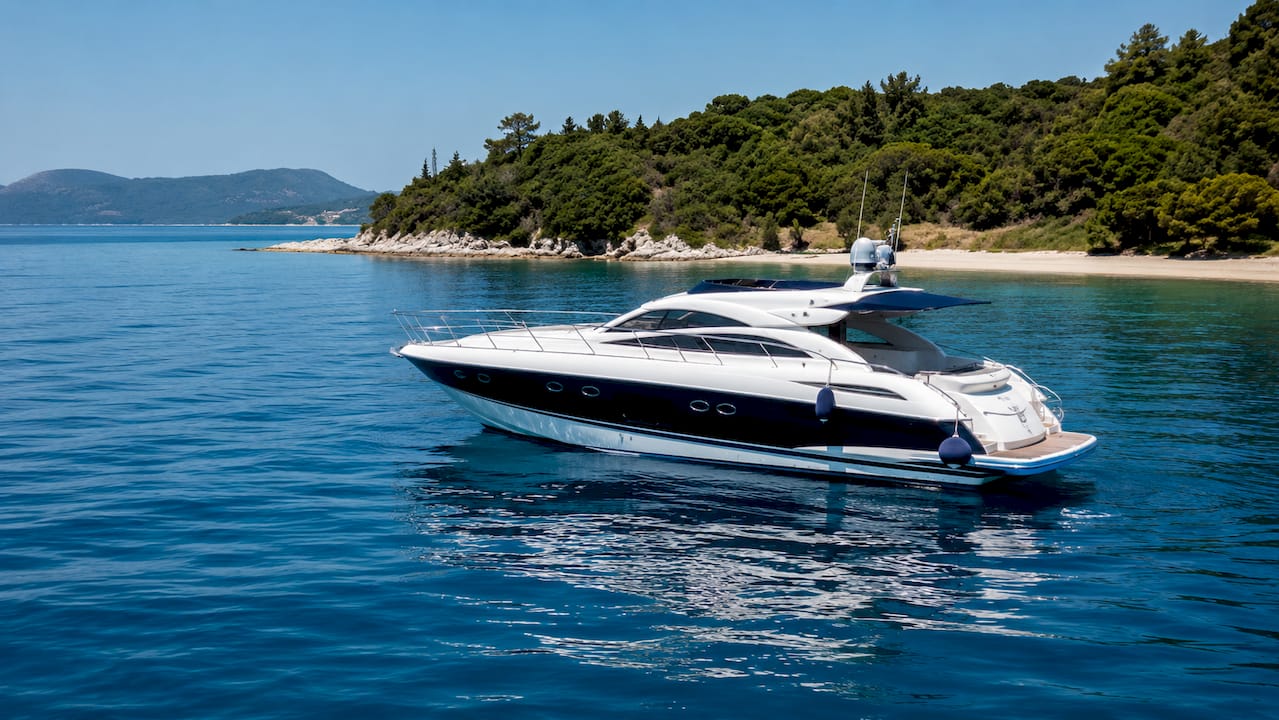
Motor yachts trade sailing sensation for speed and luxury. They cover ground fast, which suits travelers who want to visit many islands in a short time. They are the right call when your group prioritizes dining ashore and sightseeing over time on the water.
Licensing matters before you book. Bareboat charters require a recognized qualification such as an RYA Day Skipper, ICC, or ASA 104 certificate, plus a VHF radio license. If you do not hold these, a professional skipper is the answer. Skipper fees run approximately €150–200 per day on top of the bareboat rate. That cost is well worth it for the local knowledge alone.
| Vessel Type | Stability | Space | Best Region | Group Size |
|---|---|---|---|---|
| Catamaran | Very high | Generous | Ionian, Halkidiki | 6–12 people |
| Monohull | Moderate | Compact | Cyclades, Dodecanese | 2–8 people |
| Motor yacht | High | Luxurious | Saronic, Dodecanese | 4–10 people |
Pro Tip: Book a fully crewed charter if you want zero logistics. Halkidiki Boat Sailing’s “Off The Hook” includes skipper, fuel, snacks, and snorkeling gear in one flat price, so you step aboard and relax.
3. When is the best time for a sailing holiday in Greece?
Timing your trip correctly separates a great sailing holiday from a frustrating one.
The primary sailing season runs April through October, with the peak falling between june and september. June and september are the ideal shoulder months. The water is warm, the winds are manageable, and the marinas are not yet at capacity. July and august bring the most intense Meltemi conditions in the Cyclades, with winds reaching Force 7 on exposed passages. That is exhilarating for experienced sailors and genuinely dangerous for beginners.
- April and May: Cooler air, very few crowds, affordable rates. Water temperature is lower, but the scenery is lush and green.
- June: Warm water, rising winds, moderate crowds. The sweet spot for most travelers.
- July and August: Peak season. Hot, busy, and expensive. Meltemi winds are strongest.
- September: Arguably the best month overall. Warm sea, lighter winds, and noticeably fewer boats in every anchorage.
- October: Quiet and atmospheric. Some facilities close, but the light is extraordinary and mooring fees drop sharply.
Greek town quay mooring fees run €15–40 per night, among the lowest in the Mediterranean. Free anchoring outside protected marine parks is also widely available, which gives budget-conscious travelers real flexibility. The one caution: avoid anchoring over protected Posidonia seagrass beds, which are legally protected across Greek waters.
4. Top sailing itineraries and routes in Greece
A well-planned route makes the difference between a relaxing week and a stressful one.
Classic 7-day Saronic Gulf loop
Start in Athens at Alimos Marina. Sail south to Aegina on day one, then continue to Hydra for two nights. Hydra has no motor vehicles, which makes it one of the most peaceful stops in all of Greek island sailing. Continue to Spetses, then Poros, before returning to Athens via the Saronic’s sheltered channels. This loop suits beginners perfectly and keeps sailing legs short.
Ionian Classic: Corfu to Lefkada
This route runs south through some of the most photogenic water in the Mediterranean. Corfu’s old town is a UNESCO World Heritage Site. The passage south takes you past Paxos and Antipaxos, where sea caves and turquoise lagoons make every anchor feel like a discovery. Lefkada’s lagoon anchorage at Nydri is calm, affordable, and well-provisioned.
14-day Cyclades circuit
Fly into Athens and sail from Lavrion to Kea, then Syros, Mykonos, Delos, Paros, Naxos, Santorini, and back. Plan your legs north to south whenever possible. North-to-south routes in the Cyclades work with the Meltemi rather than against it, which cuts passage times and reduces discomfort significantly.
Halkidiki Sithonia coastal route
This is the itinerary that surprises most travelers. Base yourself in Neos Marmaras and sail the three peninsulas of Halkidiki over a week. Kassandra’s western coast offers sandy bays backed by pine trees. Sithonia’s eastern shore hides coves that are genuinely inaccessible by road. Paliouri’s headland marks the southern tip of Kassandra with dramatic cliff scenery. The Halkidiki destinations combine lush green landscapes with charming small ports that feel nothing like the crowded Cyclades.
Pro Tip: In the Cyclades, always check the Meltemi forecast before committing to a long passage. The wind builds through the afternoon and eases by evening, so early morning departures are almost always more comfortable.
Key Takeaways
Greek sailing holidays reward travelers who match their region, vessel, and timing to their experience level and interests.
| Point | Details |
|---|---|
| Region choice is decisive | Beginners thrive in the Ionian and Halkidiki; experienced sailors belong in the Cyclades. |
| Timing beats peak season | June and september offer warm water, lighter winds, and far fewer crowds than july or august. |
| Vessel type shapes the trip | Catamarans suit families and calm bays; monohulls perform best in open, windy passages. |
| Licensing matters | Bareboat charters require RYA Day Skipper, ICC, or ASA 104 certification, or a hired skipper. |
| Halkidiki is underrated | Neos Marmaras, Nikiti, Paliouri, and Kassandra offer pristine, quiet sailing with authentic local character. |
Why Halkidiki changed how I think about Greek sailing
Most sailing guides push the Cyclades as the definitive Greek experience. I understand why. Santorini’s caldera is genuinely spectacular, and Mykonos has an energy that is hard to match. But after years of sailing Greek waters, I keep coming back to Halkidiki Sithonia, and the reason is simple: it gives you the best of Greece without the noise.
The coves around Neos Marmaras and Paliouri are the kind of places you anchor and immediately stop checking your phone. The water is clear enough to see the anchor chain on the bottom in 10 meters. The pine trees come right to the shoreline, which means natural shade and the scent of resin in the air. You do not share that anchorage with 40 other boats.
My honest advice for first-time travelers: resist the urge to cover too much ground. The sailors who enjoy their trips most are the ones who pick one region, learn it properly, and spend time in each stop rather than racing to the next. Halkidiki rewards exactly that approach. Sail out from Neos Marmaras in the morning, find a quiet bay by noon, swim and eat, and move again in the late afternoon. That rhythm is what a sailing holiday is supposed to feel like.
The Cyclades will always be there. Start somewhere quieter, get your sea legs, and let the experience build naturally. You will return to Greece. Everyone does.
— George
Sail Halkidiki with Halkidiki Boat Sailing
Halkidiki Boat Sailing offers private sailing experiences aboard “Off The Hook” along the stunning Sithonia coastline, with departures from Neos Marmaras. Every trip is fully crewed and all-inclusive, covering your skipper, fuel, refreshments, snacks, and snorkeling gear in one straightforward price.
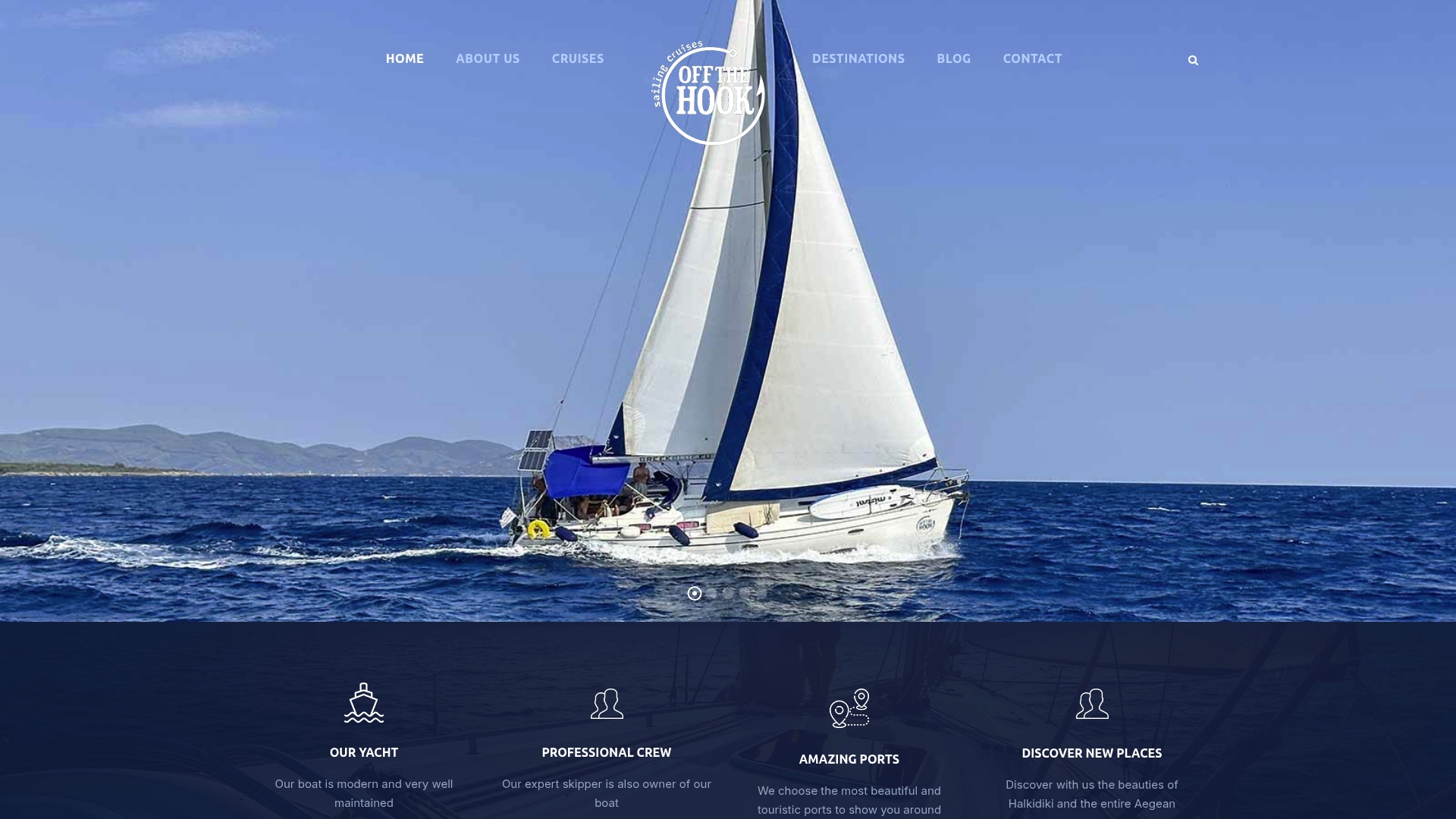
The weekly private cruise is the best way to experience Halkidiki’s hidden coves, from the pine-backed bays of Kassandra to the crystal waters off Paliouri, at a relaxed pace with a local crew who knows every anchorage. For a shorter taste, the sunset private cruise delivers two hours of golden-hour sailing with zero planning required on your part. Book directly through Halkidiki Boat Sailing for the most current availability and pricing.
FAQ
What is the best time to go on a Greek sailing holiday?
June and september are the best months for most travelers. The water is warm, winds are manageable, and marinas are less crowded than during peak july and august.
Do I need a sailing license to charter a yacht in Greece?
Yes. Bareboat charters require a recognized license such as RYA Day Skipper, ICC, or ASA 104, plus a VHF radio certificate. Travelers without certification can hire a professional skipper instead.
How much does a sailing holiday in Greece cost?
Weekly bareboat catamaran rates run €5,500–€12,000 in peak season. Crewed yachts generally start at €18,000 per week. Skipper fees add roughly €150–200 per day to bareboat charters.
Is Halkidiki good for sailing beginners?
Halkidiki Sithonia is one of the best regions in Greece for beginners. Sheltered bays around Neos Marmaras, Nikiti, and Kassandra offer calm water, short passages, and beautiful scenery without demanding technical sailing skills.
What is the Meltemi wind and how does it affect sailing in Greece?
The Meltemi is a strong northerly wind that blows across the Aegean, particularly in the Cyclades, from june through september. It regularly reaches 15–30 knots and can hit Force 7 on exposed passages, making it a key planning factor for any Aegean sailing itinerary.