
TL;DR:
- Child safety on cruises depends on physical barriers, tracking technology, and parental supervision working together.
- Parents should enforce strict rules, remain vigilant during transitions, and prepare children before boarding to ensure safety.
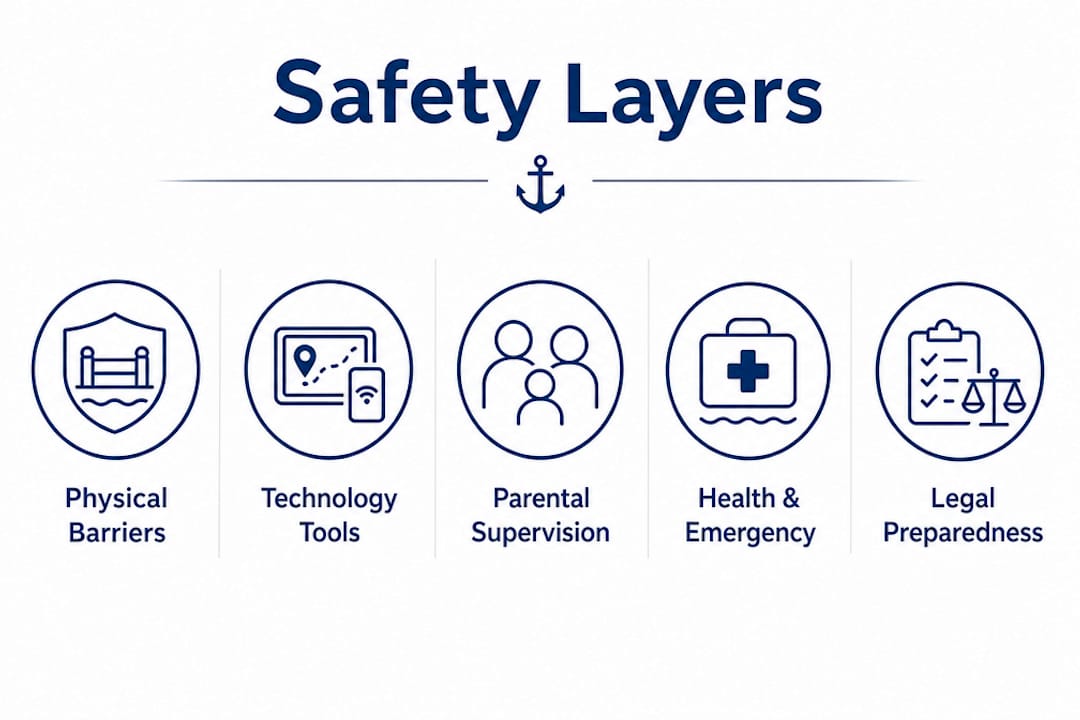
Child safety on cruises is defined by three interlocking layers of protection: physical ship design, technology-assisted tracking, and active parental supervision. No single layer works alone. The most prepared families combine all three before they ever step aboard. This guide covers the physical barriers your ship uses, the latest tracking tools available in 2026, and the practical habits that keep kids safe from embarkation to disembarkation.
What does child safety on cruises actually look like?
️ Child safety on cruise ships starts with the ship itself. Deck barriers meet or exceed a chest-high standard of approximately 5 feet 4 inches (162 cm), making accidental falls statistically improbable without a child actively climbing furniture or railings. That height standard matters because it was designed for adults, not toddlers. Parents of young children still need to treat open decks with the same attention they would give a rooftop terrace at home.
Balcony doors add a second line of defense. Balcony railings stand at least 42 inches (106 cm) high and comply with OSHA standards, and the doors themselves typically include secondary bolts that small children cannot easily operate. The real risk is not the railing height. It is the cabin furniture. A determined four-year-old can drag a chair to a railing and climb it in under a minute. Families who feel anxious about balcony access often choose inside or ocean-view cabins instead, removing the variable entirely.
Pool decks and promenade areas use physical barriers and posted depth markers, but lifeguards on most ships are not certified to the same standard as municipal pools. Parents should treat the pool deck as an unsupervised environment and position themselves within arm’s reach of non-swimmers at all times.
| Barrier type | Location | Standard met | Key detail |
|---|---|---|---|
| Perimeter railings | Open decks | Approx. 162 cm height | Plexiglass or solid panels |
| Balcony railings | Private cabin balconies | OSHA 42 in minimum | Secondary door bolts included |
| Pool barriers | Lido and pool decks | Varies by ship class | Depth markers posted |
| Top-deck barriers | Upper wind-exposed decks | Double-stacked panels | Added for wind protection |
Pro Tip: Request a cabin without a balcony if you are traveling with children under five. The structural barriers are strong, but eliminating the balcony removes the furniture-climbing risk entirely.
How do tracking technology and kids’ clubs keep children accounted for?
The most significant advance in child safety on cruise ships in 2026 is real-time location tracking. Royal Caribbean’s “Find My Kid” feature uses RFID-enabled Adventure Ocean WOW Bands to let parents track children ages 3–12 aboard Icon-class ships including Legend of the Seas and Star of the Seas. The bands cost $14.99 and launched in july 2026. That price point makes the technology accessible for most families, and the peace of mind it delivers is immediate.
Wristband protocols differ significantly across ship classes and cruise lines. Some wristbands display only the child’s muster station and cabin number. Others enable real-time GPS-style tracking through the ship’s Wi-Fi network. Parents should ask specifically on embarkation day what their wristband does, not assume all bands are equal.
Youth clubs add a structural layer on top of technology. Kids’ clubs use mandatory check-in and check-out procedures with wristbands that staff scan before releasing a child to any adult. That protocol means a child cannot simply walk out with a stranger. Staff also log cabin numbers and emergency contacts at registration, so they can reach parents quickly if needed.
Here is what to set up on embarkation day to get the most from these tools:
- Register your children with the youth club immediately after boarding, before exploring the ship.
- Confirm whether your wristbands support real-time tracking or only display static information.
- Download the ship’s app and test family messaging features while still in port, where Wi-Fi is strongest.
- Save the youth club’s direct phone extension in your phone before the ship departs.
- Walk your children through the check-in and check-out process so they understand it is non-negotiable.
Pro Tip: Set up the ship’s family communication app the moment you board. Wi-Fi connectivity is strongest in port, and testing it early means you will not be troubleshooting the system mid-voyage when you actually need it.
What are parents’ real responsibilities for keeping kids safe onboard?
Parental vigilance is the single most important factor in child safety on a cruise. Active, eyes-open supervision comparable to what you practice at home is the standard to maintain, not a relaxed vacation mode. The ship’s design and technology support you, but they do not replace you.
The highest-risk moments are transitions. Corridors between the pool deck and your cabin, elevator lobbies, and the space between the kids’ club and the dining room are all areas where children move without the structured supervision of a club or the physical barriers of a pool fence. Most child safety incidents are linked to human interactions in public or transition areas, not ship design flaws. That distinction changes where you focus your attention.
Before you board, have a direct safety conversation with your children. Setting clear expectations about strangers, secret-keeping, and independent movement is most effective when done well ahead of embarkation day, giving children time to absorb the information. Cover these points specifically:
- Strangers and secrets. No adult on the ship should ask them to keep a secret from you. Period.
- Independent movement rules. Define exactly which areas they may visit alone and at what age. A ten-year-old may have different freedoms than a six-year-old.
- Check-in expectations. Agree on a specific time and location to meet if you separate, and practice it once on the first day.
- What to do if lost. Teach them to find a crew member in uniform and ask for help, not to wander looking for you.
- Muster station location. Walk them to your muster station on day one so they know where it is without being told under pressure.
When your children are in the kids’ club, introduce yourself to the staff by name. Ask how they handle medical situations and what their ratio of staff to children is. A brief conversation at drop-off tells you far more than any brochure.
Pro Tip: Attend the ship’s muster drill with your children and treat it as a real exercise, not a formality. Walk the route from your cabin to your muster station twice so the path is automatic for every family member.
How do health, legal, and emergency readiness measures protect children?
Preparation before you board is as important as vigilance once you are at sea. The U.S. State Department recommends carrying physical passports and a child-specific health kit with all necessary medications as standard practice for maritime travel. Digital copies stored on your phone are useful, but physical documents are what port authorities and ship medical staff actually need in an emergency.
Pack your child’s health kit with these priorities in mind:
- Prescription medications in original labeled containers, with enough supply for the full trip plus two extra days.
- Over-the-counter remedies for seasickness, fever, and allergic reactions.
- A written list of your child’s allergies, blood type, and any medical conditions, signed by your pediatrician.
- Travel insurance documentation that explicitly covers medical evacuation from international waters.
- Emergency contact numbers for your home pediatrician, accessible offline.
Cabin security is a practical step many parents overlook. Use the deadbolt and secondary chain lock on your cabin door every night. If your cabin has a balcony, engage the secondary bolt on the balcony door before your children go to sleep. These are small habits that take ten seconds and eliminate a category of risk entirely.
Crime aboard cruise ships is rare, but incidents involving children typically involve other passengers rather than crew, and they tend to occur in public corridors rather than supervised spaces. Ships have onboard security teams and cameras in public areas. If you ever feel uncomfortable about an interaction, report it to ship security immediately. You do not need certainty to make a report. Concern is enough.
Key Takeaways
Child safety on cruises requires layered protection: physical ship design, technology tools, and active parental supervision working together, not independently.
| Point | Details |
|---|---|
| Physical barriers are strong but not foolproof | Railings meet OSHA and maritime standards, but furniture climbing remains a real risk for young children. |
| Technology enhances but does not replace supervision | RFID tracking bands like Royal Caribbean’s WOW Bands add real-time visibility, but Wi-Fi dependency limits reliability. |
| Transition zones are the highest-risk areas | Corridors, elevators, and spaces between venues require the same vigilance as unsupervised public spaces at home. |
| Pre-boarding conversations are non-negotiable | Teach children about strangers, secret-keeping, and what to do if lost before embarkation day, not after. |
| Health and document preparation saves critical time | Carry physical passports, a signed medical summary, and travel insurance covering maritime evacuation. |
Why the “safe bubble” mentality is the real danger onboard
I have watched parents visibly relax the moment they step aboard a ship, and I understand the feeling completely. The ship feels contained. The crew is professional. The kids’ club is right there. The instinct is to exhale.
That exhale is where the risk lives. Parents who adopt a “safe bubble” mentality onboard lower their situational awareness below what they would maintain at a shopping mall or a school pickup zone. The ship is not a bubble. It is a floating city with thousands of strangers, dozens of unsupervised corridors, and transition zones that no camera fully covers.
What actually works is quiet, informed presence. Not hovering. Not anxiety. Just the same background awareness you carry at home when your child is playing in the front yard. You are not watching every second, but you know where they are, who is nearby, and what the exits look like.
The technology is genuinely useful. A $14.99 RFID band that shows you your child’s location on a ship map is a real tool, not a gimmick. But I have seen parents treat the wristband as a substitute for presence rather than a supplement to it. The band tells you where your child is. It does not tell you who is standing next to them.
Prepare your children before you board. Walk the muster station route on day one. Introduce yourself to the kids’ club staff by name. And then enjoy the trip, because a prepared family is a relaxed family.
— George
Private family sailing in Halkidiki: a different kind of safe
For families who want total control over their children’s environment at sea, a private charter removes the variables that make large cruise ships complicated. Halkidiki Boat Sailing operates the “Off The Hook” yacht exclusively in the turquoise waters around Halkidiki Sithonia, visiting pristine spots near Neos Marmaras, Nikiti, Paliouri, and Kassandra.
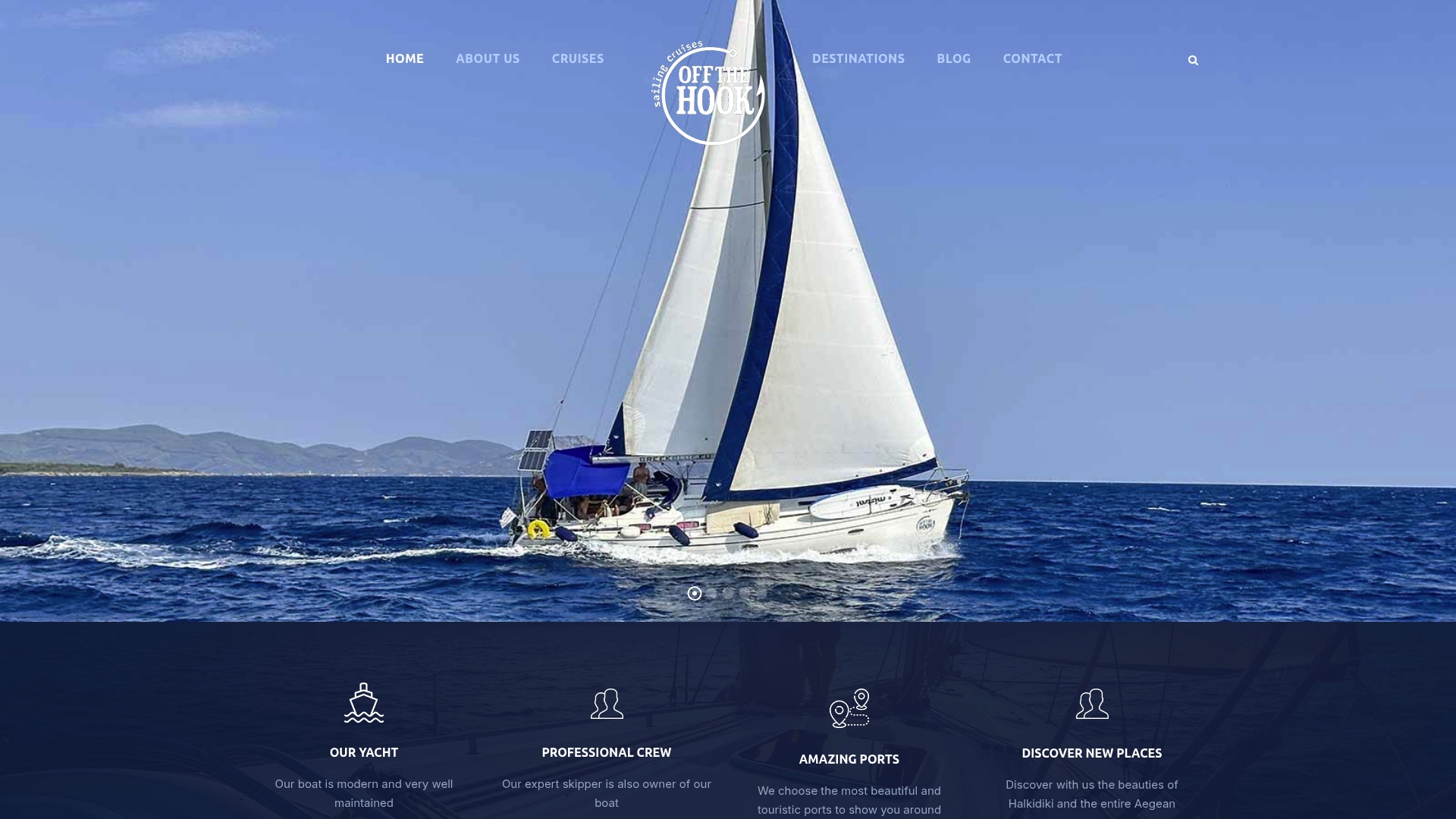
Every excursion is fully crewed and all-inclusive, with a professional local skipper, snorkeling gear, refreshments, and snacks included. The guest list is your family and your group only. No strangers in the corridors, no crowded pool decks, no check-in queues. Parents who want a genuinely controlled, intimate sailing experience for their children can explore private weekly cruise options aboard “Off The Hook,” or browse all available family sailing tours to find the format that fits your family best.
FAQ
What physical safety features protect children on cruise ships?
Cruise ships use deck barriers that meet approximately 162 cm in height, OSHA-compliant balcony railings of at least 42 inches, and secondary door bolts on balcony doors. Pool areas include depth markers, though onboard lifeguard standards vary by ship.
How does Royal Caribbean’s “Find My Kid” feature work?
The feature uses RFID-enabled Adventure Ocean WOW Bands priced at $14.99 to track children ages 3–12 in real time aboard Icon-class ships. It launched in july 2026 on vessels including Legend of the Seas and Star of the Seas.
Are kids’ clubs on cruise ships safe for young children?
Kids’ clubs use mandatory wristband check-in and check-out procedures, logging cabin numbers and emergency contacts at registration. Staff must scan a wristband before releasing a child to any adult, preventing unauthorized pickup.
What should parents do before boarding to prepare for child safety?
Carry physical passports, a signed medical summary, and prescription medications in labeled containers. Have a direct safety conversation with your children about strangers, secret-keeping, and what to do if they get separated from you.
Where are children most at risk on a cruise ship?
The highest-risk areas are transition zones: corridors, elevator lobbies, and spaces between venues like the pool deck and dining room. Most incidents involve other passengers in public areas, not ship design failures or crew misconduct.