
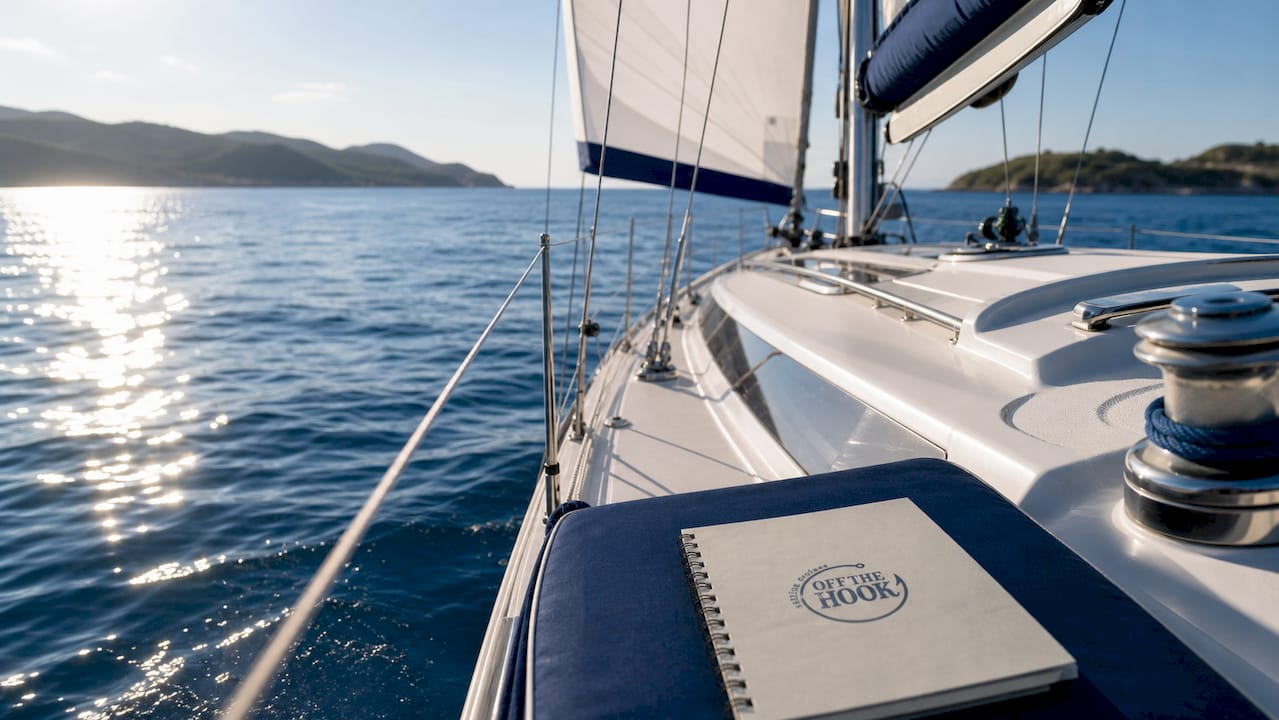
TL;DR:
- Family friendly outdoor activities are designed to entertain, educate, and engage children safely by matching activity intensity to their age and readiness. Building curiosity and bonds, these experiences create lasting memories, from nature walks for toddlers to multi-day hikes for teens. Incorporating flexible plans and involving children in planning enhances engagement and guarantees enjoyable outdoor family time.
Family friendly outdoor activities are outdoor experiences designed to entertain, educate, and engage every family member safely, matching adventure intensity to each child’s age and physical readiness. The best outdoor activities for families go beyond simply “going outside.” They build curiosity, strengthen bonds, and create the kind of memories that children carry into adulthood. Whether you are planning a nature walk through pine-scented trails near Nikiti, a picnic on the shores of Neos Marmaras, or a full sailing day around Kassandra, the key is matching the activity to your child. This guide gives you a clear, age-by-age framework to do exactly that.
1. What are the best family friendly outdoor activities for toddlers?
Toddlers thrive on sensory exploration, not structured exercise. The goal is not distance or achievement. It is wonder.
Age-appropriate distances for toddlers top out at 0.5–1 mile. That is not a limitation. It is a design principle. A slow, 20-minute walk along a beach path in Paliouri, where a toddler can touch sand, collect pebbles, and watch waves, delivers more developmental value than a rushed two-mile trail.
The most effective kid-friendly nature activities for this age group include:
- Short sensory walks along flat, safe terrain with natural textures to touch and sounds to hear
- Water play at calm, shallow shorelines where children can splash and observe marine life safely
- Nature scavenger hunts scaled to simple items: a smooth stone, a feather, a leaf with an interesting shape
- Free play in open spaces like grassy parks or sandy beaches where movement is self-directed
Packing for toddlers requires specific attention. Bring sunscreen rated SPF 50 or higher, a small first aid kit, and at least one water bottle per child. Shade is not optional at midday in Halkidiki Sithonia. Plan your outing for early morning or late afternoon to avoid peak heat.
Pro Tip: Give each toddler a small fabric bag or box labeled “treasures.” Let them collect natural items during the walk. This simple tool turns a short stroll into a focused, joyful observation activity that builds early scientific thinking.
2. Top outdoor activities for early school-age children and tweens
Children aged 5–12 are ready for real adventure. They want challenge, discovery, and the satisfaction of finishing something hard.
Children aged 5–8 can handle trails up to 3 miles, while tweens aged 9–12 are ready for half-day hikes with moderate elevation. That range opens up a wide world of outdoor activities for families in Halkidiki Sithonia, from coastal path walks near Nikiti to rocky shoreline scrambles around Neos Marmaras.
Strong activity choices for this age group include:
- Moderate hikes and beginner rock scrambles on trails with clear markers and manageable terrain
- Advanced nature scavenger hunts that ask children to identify plants, insects, and bird calls, building real scientific observation skills
- National Park Service Junior Ranger program, which teaches children to read trail markers and follow wildlife rules before a trip, building confidence outdoors
- Beginner kayaking in calm, protected coves along the Sithonia coastline
- Family picnic ideas that combine a short hike with a prepared meal at a scenic overlook or beach clearing
Involving children in planning is not just a nice gesture. Planning trips 6 months ahead and letting kids help select activities increases their engagement and cooperation on the day. Ask your child to pick one activity per outing. That small choice creates real investment.
Pro Tip: Let your child carry the trail map or act as the group’s official “navigator.” Giving them a named role on the trip, not just a passenger seat, keeps energy and attention high throughout the outing.
3. Family friendly adventurous outdoor activities for teenagers
️ Teenagers need physical challenge and a sense of real stakes. Low-intensity activities feel patronizing to them. High-intensity ones build pride.
Teens aged 13 and older are ready for multi-day backpacking and extended outdoor programs. The key is not just physical readiness. It is giving them genuine responsibility within the group.
Strong options for teen-focused outdoor adventures include:
- Half-day and full-day hikes on trails with significant elevation gain and varied terrain
- Backpacking trips with overnight camping, where teens carry their own gear and manage their own packing
- Aerial adventure courses designed for ages 6 and up, with courses lasting approximately 3 hours and 40 minutes and pricing from $22 to $69 depending on course level
- Rock climbing at beginner outdoor crags with certified instruction
- Teen leadership roles on family trips, such as managing the group’s daily schedule, reading maps, or leading the morning debrief
Physical preparation matters before any high-intensity outing. Build up activity duration in the weeks before a major hike. Consult your family doctor if your teen has any cardiovascular or joint concerns. Hydration and electrolyte management become critical on full-day outings in warm Mediterranean climates.
Pacing is the most underrated skill in teen outdoor planning. Divide each day into four blocks: morning movement, midday rest, afternoon activity, and evening wind-down. This structure prevents family burnout and keeps energy levels consistent across multi-day trips.
Pro Tip: Ask your teenager to research one destination or trail before the trip and present it to the family. This builds ownership, sharpens research skills, and almost always results in better activity choices than a parent-only plan.
4. How to incorporate nature study into family outdoor fun
Nature study is one of the most underused tools in family outdoor planning. It requires almost no preparation and works in any environment.
Simple observation techniques like the One Square Foot study require no equipment. You mark off a small patch of ground, sit quietly for five minutes, and record every living thing you observe. Children find this genuinely surprising. The density of life in one square foot of soil or grass is almost always more than they expect.
Effective nature study activities for families include:
- One Square Foot study: mark a patch of ground and observe insects, plants, and soil activity for 5–10 minutes
- Sky and weather watching: track cloud types, wind direction, and moon phases over several evenings
- Nature journaling: sketch leaves, shells, or insects in a small notebook; label them with date and location
- Leaf and bark rubbings: place paper over a surface and rub a crayon across it to capture texture and pattern
- Natural treasure collections: gather items from each outing and organize them by color, size, or type at home
The Halkidiki Sithonia coastline near Neos Marmaras and Kassandra offers exceptional material for nature study. Pine needles, sea glass, shells, and coastal rock formations all make rich subjects for observation and journaling.
Nature study builds lasting interest through rhythm and repetition, not one-time perfect events. A simple weekly nature walk with a journal builds more scientific curiosity than an elaborate annual trip. Consistency is the method.
5. Planning and safety tips for successful family outdoor outings
The most common mistake families make is over-scheduling. Too many activities in one day creates exhaustion, conflict, and a reluctance to go outside again.
Involving children in packing and letting them choose their snacks or assign themselves a role builds resilience and reduces resistance on the day. A child who helped pack their own bag is far less likely to complain about carrying it.
Key planning and safety practices include:
- Start planning early: for international or multi-day trips, begin planning at least 6 months ahead to allow for gear, health checks, and route research
- Build block-based itineraries: divide each day into morning movement, midday pause, afternoon transition, and evening rest to respect natural energy rhythms
- Pack individualized gear cubes: one bag per child with their sunscreen, water bottle, snacks, and a small first aid kit speeds up morning routines and teaches responsibility
- Set realistic expectations: tell children what the activity involves before you arrive, including how long it will take and what they will see
- Use local knowledge: in Halkidiki Sithonia, local resources around Nikiti, Paliouri, and Neos Marmaras provide up-to-date trail conditions, beach safety flags, and weather forecasts
Sun protection in Halkidiki Sithonia is non-negotiable from may through september. Apply SPF 50 sunscreen before leaving your accommodation, reapply every 90 minutes, and schedule high-activity periods before 11:00 AM or after 4:00 PM. Bring more water than you think you need.
Pro Tip: Create a simple pre-outing checklist with your children the night before. Let them check off each item themselves. This five-minute routine eliminates forgotten gear and gives children a sense of control that carries into the activity itself.
Key Takeaways
The most effective family outdoor experiences match activity intensity to each child’s age, build in flexible rest blocks, and involve children in planning from the start.
| Point | Details |
|---|---|
| Match activity to age | Toddlers need 0.5–1 mile walks; teens are ready for multi-day backpacking trips. |
| Involve kids in planning | Letting children choose activities and pack their own gear increases cooperation and engagement. |
| Use nature study as a foundation | Simple, repeatable activities like One Square Foot study build lasting scientific curiosity. |
| Build block-based itineraries | Divide each day into four energy blocks to prevent burnout on longer outings. |
| Prioritize sun and hydration safety | In Halkidiki Sithonia, schedule active periods before 11:00 AM or after 4:00 PM and reapply sunscreen every 90 minutes. |
What I have learned from years of family outdoor planning
The advice I wish someone had given me earlier is this: the activity matters far less than the pace.
I have watched families arrive at a beautiful beach in Paliouri with a packed itinerary and leave frustrated because the kids wanted to dig in the sand for two hours instead of completing the planned coastal walk. The parents felt like they had failed. They had not. The children were doing exactly what children do outdoors. They were following their curiosity.
Allowing children to lead the direction and speed of a nature walk, rather than following a rigid path, consistently produces better outcomes than a structured route. The child who stops to examine a beetle for ten minutes is not slowing the group down. That child is doing the most important thing the outing was designed to produce.
The families I have seen thrive outdoors share one habit: they plan a structure and then hold it loosely. They know the morning block is for movement, the midday block is for rest, and the afternoon is flexible. Within that frame, they let the day breathe. That flexibility is not a lack of planning. It is the most sophisticated form of it.
Simple, repeatable routines also matter more than grand gestures. A weekly nature journal, a regular Sunday morning beach walk near Nikiti, a monthly picnic at a favorite spot in Neos Marmaras. These rhythms build a family’s outdoor identity over time. One perfect trip cannot do what a consistent habit does.
My honest recommendation: pick two or three activities from this guide, try them on consecutive weekends, and notice which ones your children ask to repeat. That repetition is your signal. Build your family’s outdoor life around what they ask for, not what looks best on a plan.
— George
Sailing adds a new dimension to your family’s outdoor adventures
Halkidiki Sithonia’s coastline holds some of the most pristine, turquoise waters in the Mediterranean. Many of the best spots near Neos Marmaras, Nikiti, Paliouri, and Kassandra are simply not reachable by foot or car. A private sailing excursion changes that entirely.
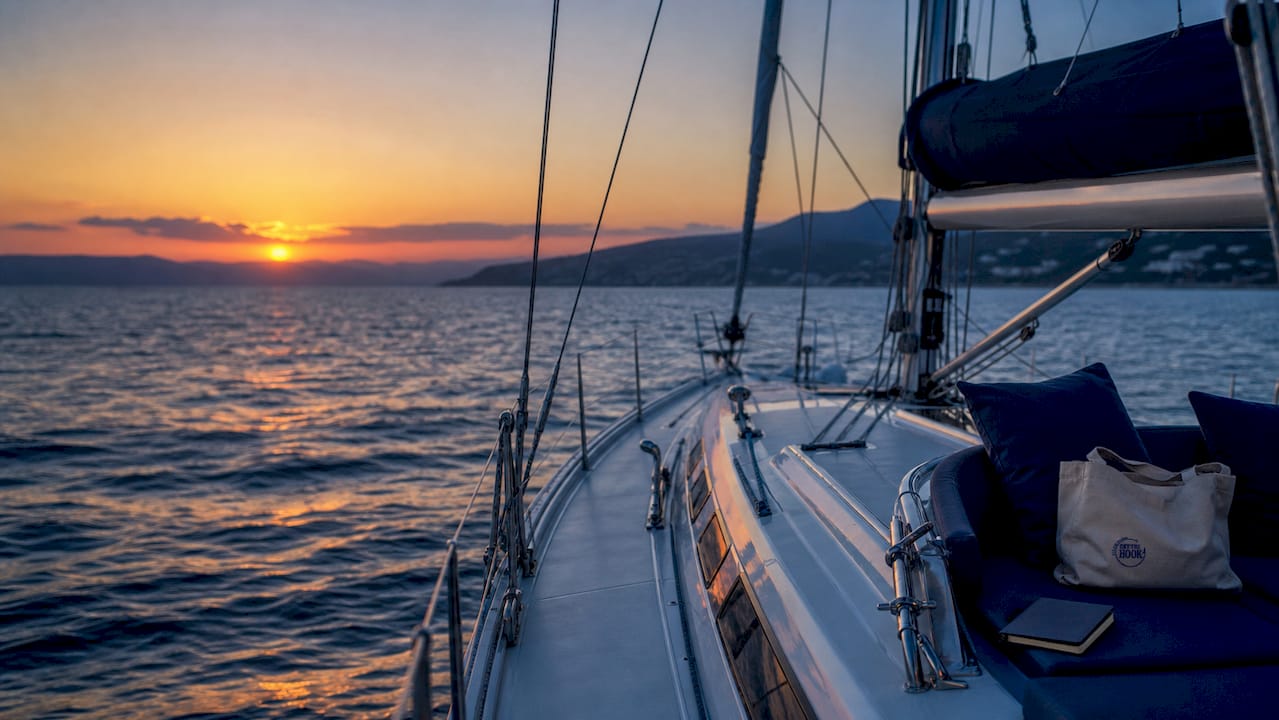

Halkidiki Boat Sailing offers fully crewed, all-inclusive private cruises aboard their yacht Off The Hook, designed for families who want a relaxed, safe, and genuinely memorable day on the water. Snorkeling gear, refreshments, and a professional local skipper are all included. No logistics, no hidden costs. For families ready to combine the best of outdoor adventure with the calm of open water, a full-day private cruise or a weekly sailing charter gives you access to the coastline’s most secluded lagoons and hidden coves. You can also browse all available Halkidiki cruise destinations to find the route that fits your family best.
FAQ
What age is appropriate for family outdoor hikes?
Toddlers can manage 0.5–1 mile walks on flat terrain, children aged 5–8 are ready for trails up to 3 miles, and tweens aged 9–12 can handle half-day hikes with moderate elevation.
How do I keep children engaged on nature walks?
Allowing children to lead direction and speed and giving them a collection bag for natural treasures consistently increases engagement and reduces complaints on the trail.
What should I pack for a family outdoor outing?
Pack individualized gear for each child, including SPF 50 sunscreen, a water bottle, age-appropriate snacks, and a small first aid kit. Assign each child their own bag to build responsibility.
What is the Junior Ranger program?
The National Park Service Junior Ranger program teaches children to read trail markers, follow wildlife safety rules, and build outdoor confidence before and during family trips.
Are nature study activities suitable for all ages?
Yes. Activities like the One Square Foot study and nature journaling work for children from preschool through the teen years, requiring no special equipment and adapting easily to any outdoor setting.